Introduction: The Silent Killer in Your Solar Setup
Are You Trapped in the Lead-Acid Cycle?
If your solar setup keeps letting you down—batteries dying early, capacity fading, lights going out when you need them most—you’re not alone. What starts as a “budget-friendly” decision often turns into a cycle of frustration: replace, recharge, repeat. Each failure chips away at trust in your system and quietly drains your wallet.
This isn’t bad luck. It’s a predictable pattern—a death spiral—built into how lead-acid batteries behave under real solar conditions. And once you’re in it, the costs compound: financially, operationally, and psychologically.
What This Article Will Uncover: Beyond the Initial Price Tag
We’re going to cut through the marketing noise. You’ll see:
- Why lead-acid batteries fail so often in solar applications
- The hidden costs that make “cheap” batteries expensive
- Why lithium isn’t just better—it’s fundamentally more economical
- Real-world comparisons and upgrade paths that make sense
By the end, you’ll understand the actual decision: not price vs performance—but short-term savings vs long-term reliability.
Understanding the Lead-Acid Death Spiral: The Hidden Costs of “Cheap” Power
The Science of Failure: Why Lead-Acid Batteries Don’t Last in Solar
Lead-acid batteries were never designed for modern solar cycling. They perform best in shallow, controlled discharge environments—like starting a car. Solar systems demand the opposite: deep, frequent cycling.
Here’s where things break down:
- Depth of Discharge (DoD):
Most lead-acid batteries tolerate only ~50% DoD if you want reasonable lifespan. Go deeper, and degradation accelerates sharply. - Sulfation:
When a battery sits partially charged (common in solar), lead sulfate crystals harden on the plates, permanently reducing capacity. - Cycle Life Limits:
Typical lead-acid: 300–500 cycles at 50% DoD
In real solar use? Often less. - Charging Inefficiency:
They waste a significant portion of solar energy during charging—especially near full capacity. - Temperature Sensitivity:
Heat accelerates degradation. Cold reduces capacity. Most installations experience both.
Think of it like this: using lead-acid in solar is like running a marathon in shoes designed for short sprints. It works—briefly—but the breakdown is inevitable.
The Real Cost of Ownership: Beyond the Purchase Price
The “budget” argument for lead-acid only works if you ignore everything after checkout.
Let’s unpack the real costs:
- Frequent replacements (every 1–3 years in many cases)
- Maintenance (water topping, equalisation cycles)
- Energy losses (inefficient charge/discharge)
- Underutilised solar panels (wasted generation)
- Downtime risk (power outages when batteries fail early)
This is where Levelised Cost of Energy (LCOE) matters: the total cost of energy delivered over the battery’s lifetime.
Lead-acid looks cheap upfront—but expensive per usable kWh over time.
This is the turning point: once you evaluate total cost—not sticker price—the “budget” argument starts collapsing.
The Lithium Solution: Why the “Expensive” Option Is Actually Cheaper
Breaking the Cycle: The Advantages of Lithium Technology
Lithium (specifically LiFePO4) solves the core problems—not just symptoms.
- Deep Discharge Capability:
80–100% DoD without damaging lifespan - Massive Cycle Life:
3,000–6,000+ cycles vs a few hundred - High Efficiency:
~95% round-trip efficiency vs ~70–85% for lead-acid - Zero Maintenance:
No water, no equalisation, no guesswork - Fast Charging:
Absorbs solar energy quickly and efficiently - Stable Performance:
Voltage stays consistent across discharge
In practical terms: lithium lets you use more of your battery, more often, for far longer.
Addressing the Elephant in the Room: The Upfront Cost
Yes—lithium costs more upfront.
But that’s the wrong lens.
A better framing:
- Lead-acid: Buy cheap, buy repeatedly
- Lithium: Buy once, use properly
When you factor in:
- lifespan
- usable capacity
- efficiency
- replacement cycles
Lithium isn’t expensive—it’s underpriced for what it delivers.
Comparing the Contenders: Lead-Acid vs. Lithium in the Real World
The “Status Quo” Benchmark: Deltec 12V 105Ah Sealed Lead Acid Battery
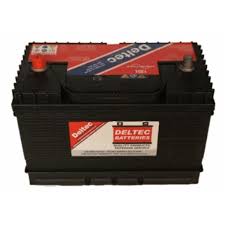
This is where many systems start.
On paper, it seems adequate. In practice:
- Only ~50Ah usable (due to DoD limits)
- Rapid degradation under cycling
- Short lifespan in solar use
It’s not that it’s defective—it’s simply mismatched to the application.
Result: frequent replacements and declining performance.
The “False Hope” Option: Solarix 12V 200Ah Deep Cycle AGM Battery
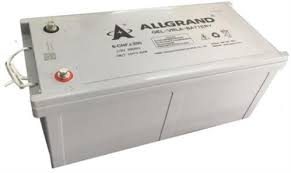
The common upgrade path: “Just get a bigger battery.”
But doubling capacity doesn’t fix the core issues:
- You still can’t safely use full capacity
- Sulfation still occurs
- Efficiency losses remain
- Cycle life doesn’t fundamentally improve
A 200Ah lead-acid battery often delivers less usable lifetime energy than a smaller lithium unit.
This is where many users realise: scaling lead-acid just scales inefficiency.
The Upgrade Path: Lithium Combos That Make Financial Sense
The “Easy Switch” for Budget-Conscious Buyers
Recommended: Ecco 3.5 KVA Hybrid Inverter + 2.71kWh Lithium Combo
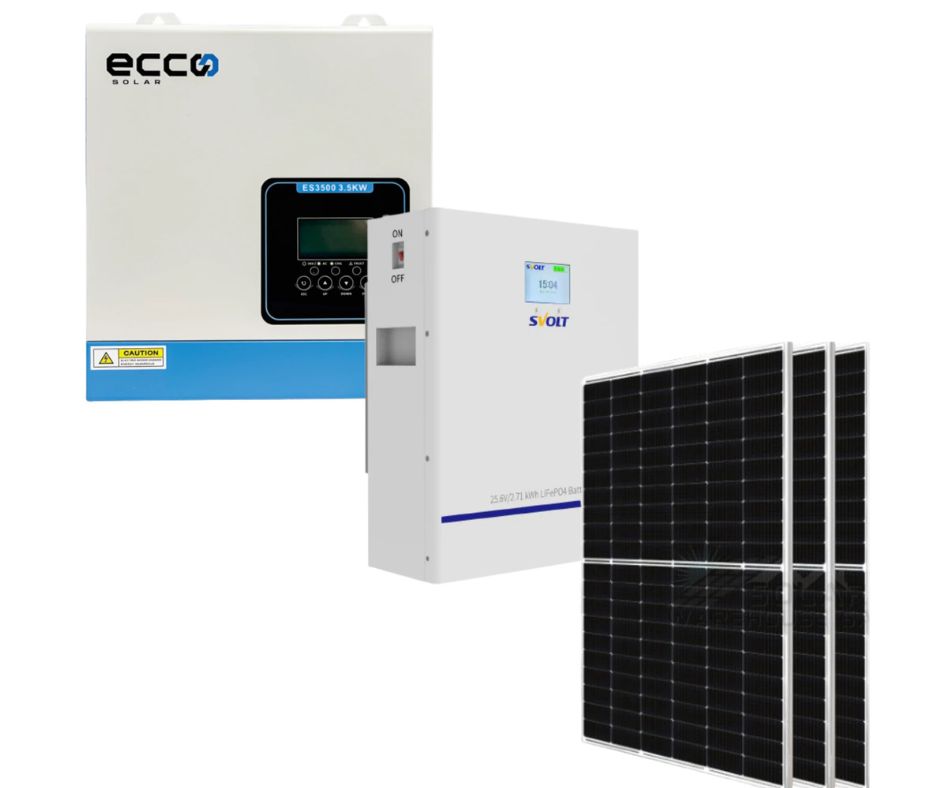
This is the entry point that makes lithium accessible.
Why it works:
- Affordable relative to other lithium setups
- Immediate performance upgrade over lead-acid
- Hybrid inverter adds flexibility
Best for:
- Small households
- Load shedding backup
- First-time lithium adopters
Action: Check price and upgrade from recurring battery replacements to a stable baseline system.
The “Lifestyle” Solution: Plug-and-Play Performance
Recommended: 5000W Luxpower Inverter Trolley + 5.12kWh Lithium
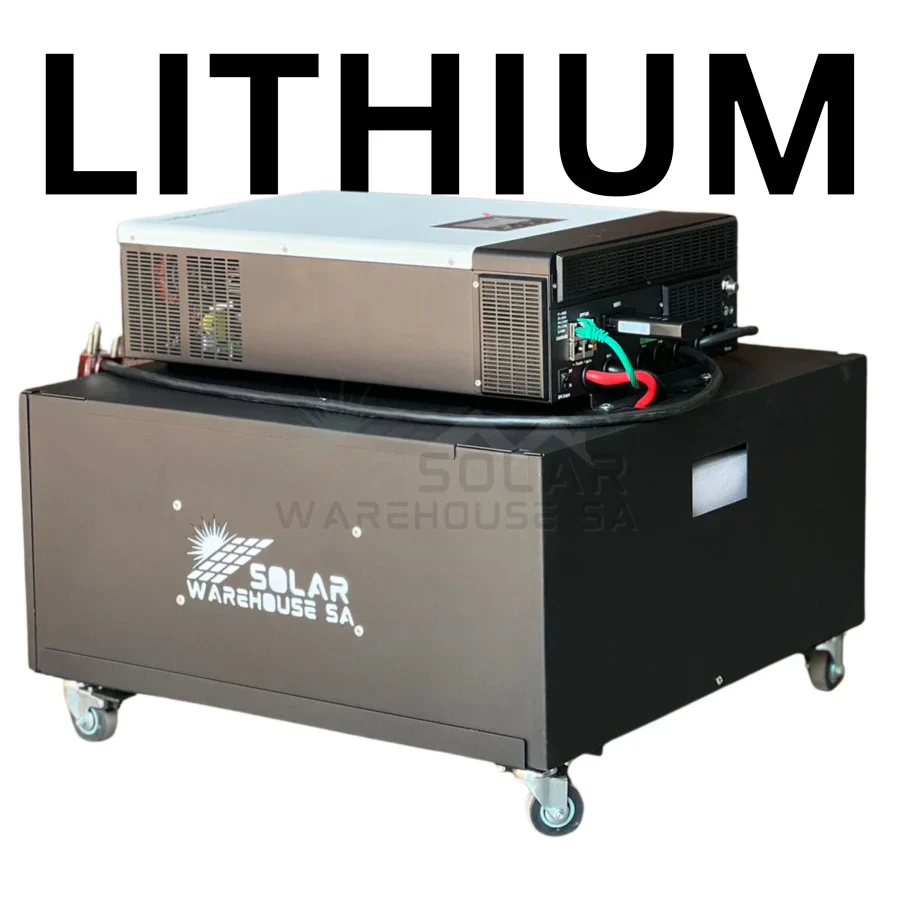
This is where convenience meets capability.
Key advantages:
- Portable, all-in-one design
- Minimal installation complexity
- Strong capacity for daily use
Best for:
- Users who want reliability without technical setup
- Apartments or flexible living situations
- Seamless load shedding protection
This is less about “solar components” and more about reliable power as a lifestyle upgrade.
Action: Upgrade now if you value simplicity and immediate results.
The “Final Solution”: Total Independence and Peace of Mind
Recommended: 8KW Deye Inverter + 5.1kWh Dyness Lithium Combo
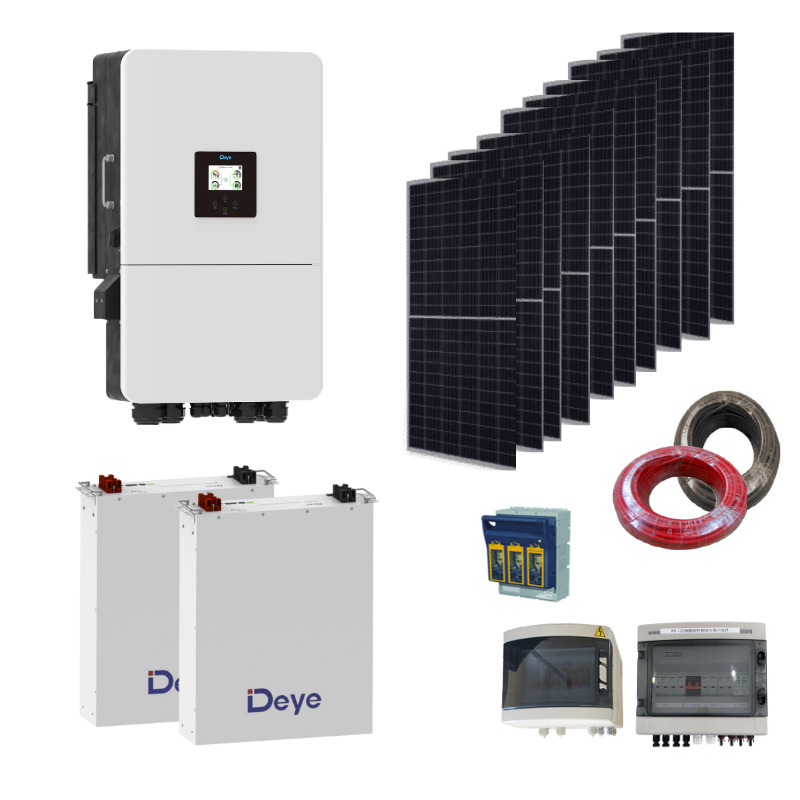
This is the long-term, high-performance solution.
Why it stands out:
- High output capacity
- Scalable system design
- Premium inverter reliability
- Designed for serious energy independence
Best for:
- Larger homes
- Full solar integration
- Users done with compromise
This is where the conversation ends. No more upgrades, no more patchwork fixes—just stable, predictable power.
Action: If you’re ready to eliminate uncertainty, this is the system to invest in.
Conclusion: Stop Throwing Good Money After Bad
The Verdict Is Clear
Lead-acid batteries aren’t “bad”—they’re outdated for modern solar demands.
The pattern is consistent:
- Limited usable capacity
- Short lifespan
- Hidden costs
- Repeated replacements
Lithium breaks that cycle:
- More usable energy
- Longer lifespan
- Higher efficiency
- Lower long-term cost
This isn’t a marginal improvement—it’s a category shift.
Take Action Today
Every replacement lead-acid battery is money spent delaying the inevitable.
The smarter move:
- Stop optimizing a failing system
- Switch to a solution designed for your use case
Whether you start with the Ecco combo, step up to the Luxpower trolley, or commit to the Deye system, the outcome is the same:
Predictable power. Lower long-term cost. No more battery anxiety.
The real risk isn’t switching—it’s staying stuck in the cycle.