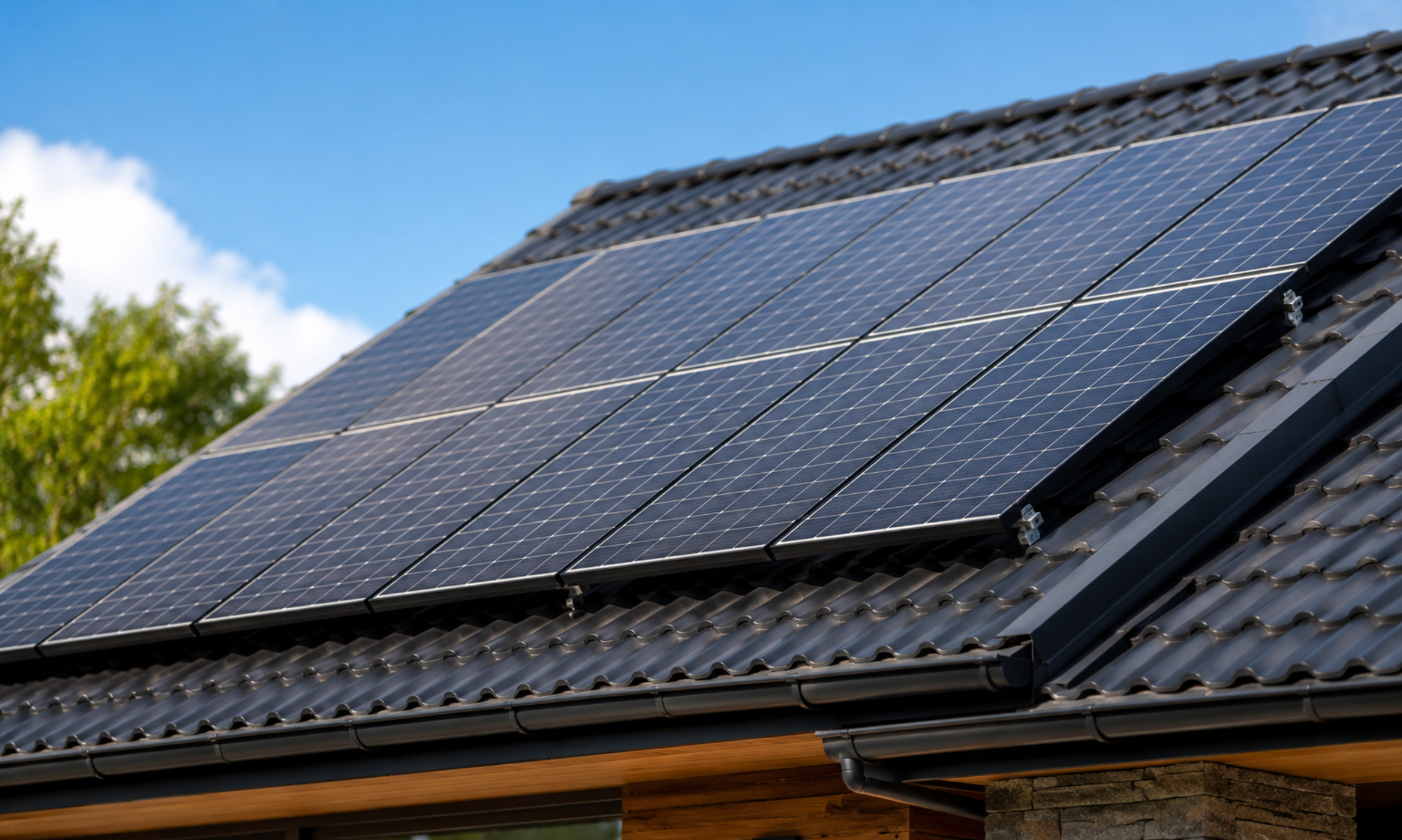
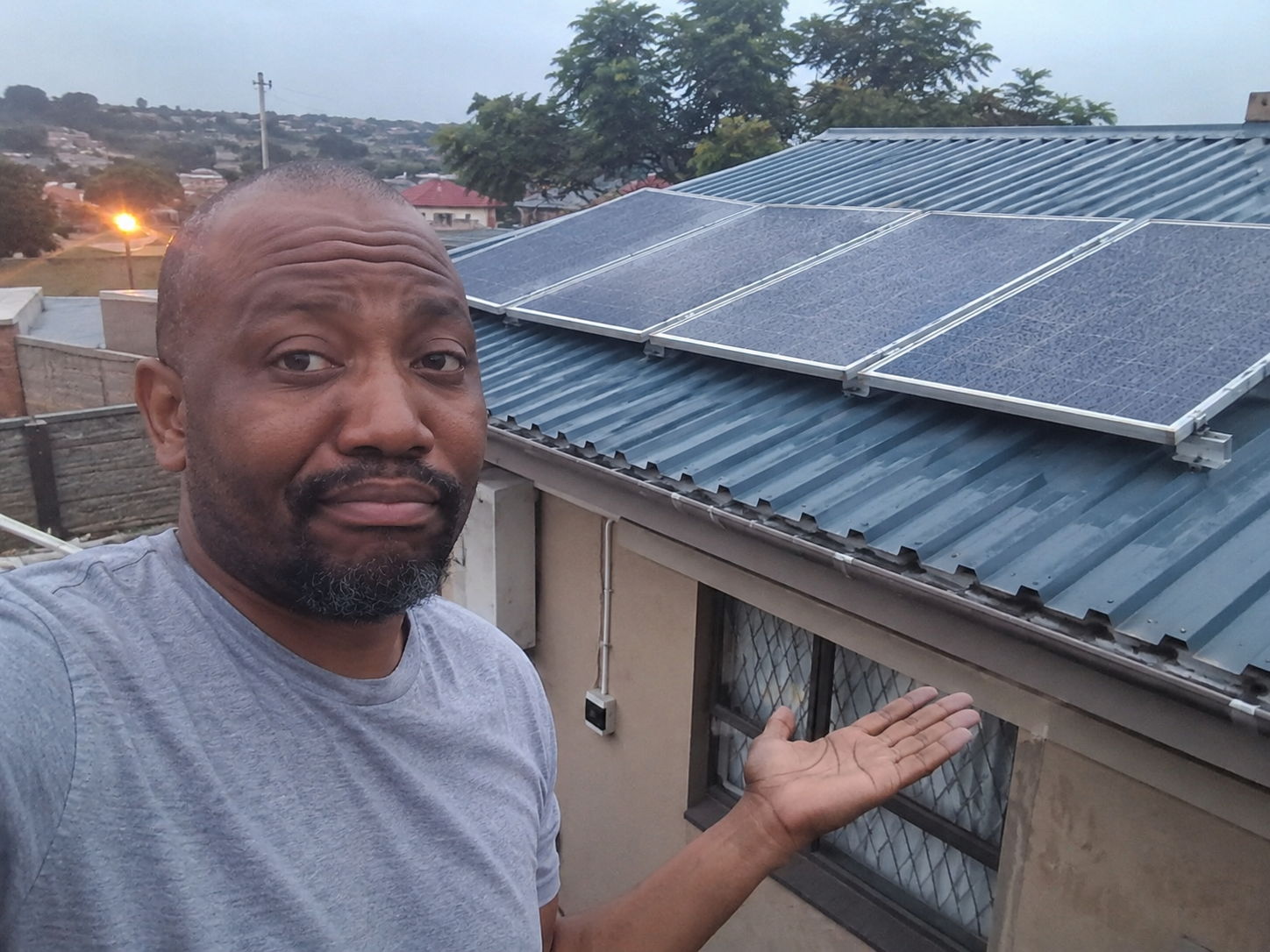
South Africans are investing in solar power at record levels. Between relentless load shedding, rising electricity prices, and concerns about grid reliability, thousands of households are spending serious money on backup and off-grid systems.
But as solar adoption rises, another problem is growing alongside it: solar panel theft.
A modern solar installation is no longer just a few panels on a roof. Many homeowners are now installing high-value systems such as the 8KW MPPT Deye Load Shedding 2x Dyness 5.12 KWh Backup Power Combo Kit or comprehensive setups like the Ecco 6.2KVA/6200W MPPT Combo + 6X 460W Mono Solar Panels. These systems can represent an investment worth tens or even hundreds of thousands of rand.
That creates a difficult question:
Should you protect your solar investment primarily through physical prevention measures like anti-theft brackets and locks, or through financial protection such as insurance?
The truth is that both approaches solve different problems. One attempts to stop the theft from happening. The other helps you recover financially after the theft has already occurred.
This article compares both strategies in detail so you can decide which approach makes the most sense for your property, your risk level, and your budget.
The Rising Threat: Why Solar Panel Theft Is a Growing Concern in South Africa
The Value Proposition of Solar (and Why It’s a Target)
Solar systems have become one of the most desirable home upgrades in South Africa.
A properly designed system offers:
- Protection against load shedding
- Reduced electricity costs
- Greater energy independence
- Increased property value
- Long-term savings
But criminals see something else: portable, high-demand hardware with strong resale value.
Solar panels, lithium batteries, inverters, and copper cabling all have active black-market demand. A thief does not necessarily need to sell stolen equipment to a homeowner directly. Informal installers, second-hand traders, and opportunistic buyers often create a ready market for stolen components.
High-performance systems like the Ecco 5.5KVA/5500W MPPT Combo + 5.12 KWH Lithium Battery or premium installations using Deye and Dyness equipment become particularly attractive targets because of their resale value.
Unlike built-in household infrastructure, solar panels are externally mounted and exposed. That makes them more accessible than many other high-value household assets.
The South African Context: Load Shedding and Crime
Load shedding accelerated solar adoption dramatically across South Africa.
Unfortunately, it also unintentionally created a new category of theft opportunity.
In many areas:
- Panels are mounted on low roofs
- Rural systems are isolated
- Farms have limited overnight monitoring
- Holiday homes remain vacant for long periods
- Installations are visible from public roads
Criminals quickly learned that many solar systems lacked dedicated security measures.
A determined theft crew can remove unsecured panels surprisingly quickly using standard tools. In some cases, entire arrays disappear overnight.
That reality has pushed homeowners toward two primary strategies:
- Physical theft prevention
- Financial recovery through insurance
Side A: Physical Deterrence – Anti-Theft Brackets and Mechanical Locks
How Anti-Theft Brackets Work
Anti-theft brackets are designed to make solar panel removal significantly harder, slower, and more obvious.
Instead of using ordinary mounting hardware, these systems typically include:
- Tamper-resistant fasteners
- Specialized locking nuts
- Proprietary removal tools
- Reinforced bracket designs
- Hidden fastening mechanisms
The core philosophy is simple:
If thieves cannot remove the panels quickly, they become more likely to abandon the attempt.
This is why physical security advocates strongly support products like the KD Solar Securi-Link Anti-Theft Brackets. These systems are specifically designed to increase removal difficulty and create a strong deterrent effect.
Unlike insurance, brackets are proactive. Their goal is to stop the theft from happening in the first place.
For many homeowners, especially in higher-risk areas, that distinction matters enormously.
Pros of Physical Deterrence
1. Theft Prevention Happens Immediately
Insurance only activates after the crime occurs.
Brackets attempt to prevent the loss entirely.
That means:
- No downtime
- No insurance paperwork
- No replacement delays
- No disrupted power supply
For off-grid households, this is especially important because losing panels can mean losing essential electricity access.
2. Criminals Prefer Easy Targets
Most thieves are opportunistic.
A roof with visible anti-theft hardware signals:
“This installation will take time.”
Time increases:
- Noise exposure
- Visibility
- Risk of interruption
- Chance of arrest
In many cases, thieves simply move on to easier targets.
3. Potential Insurance Advantages
Some insurers view physical security favorably.
Depending on the insurer and policy structure, visible anti-theft measures may:
- Reduce risk assessments
- Strengthen claims
- Help satisfy policy requirements
This becomes increasingly important as insurers become more aware of solar theft trends in South Africa.
Cons and Objections
1. Installation Must Be Done Correctly
Poor installation can create problems.
Incorrect bracket installation may:
- Damage panel frames
- Create roof leaks
- Affect structural stability
- Potentially impact warranties
This is why professional installation matters.
2. Determined Criminals Can Still Succeed
No physical system is perfect.
Given enough:
- Time
- Tools
- Privacy
- Determination
Almost any security system can eventually be defeated.
Brackets increase difficulty. They do not make theft impossible.
3. Upfront Cost
Anti-theft hardware adds to installation expenses.
Some homeowners resist additional spending after already investing heavily in solar equipment.
However, supporters argue that the cost is minor compared to replacing stolen panels.
Side B: Financial Safeguard – Solar Panel Insurance
What Solar Panel Insurance Covers
Insurance takes a completely different approach.
Rather than preventing theft, insurance focuses on financial recovery after a loss.
Depending on the policy, solar insurance may cover:
- Theft
- Storm damage
- Fire damage
- Accidental damage
- Electrical faults
- Vandalism
For high-value systems like the 8KW MPPT Deye Load Shedding 2x Dyness 5.12 KWh Backup Power Combo Kit, insurance can provide substantial financial protection.
This is especially important because replacement costs for modern lithium-based systems can be extremely high.
Pros of Insurance
1. Financial Recovery for Major Losses
The biggest advantage is straightforward:
If your system is stolen, insurance may help pay for replacement.
Without insurance, a homeowner could face devastating out-of-pocket losses.
This becomes critical for large systems costing well into six figures.
2. Broader Protection Beyond Theft
Brackets only address theft.
Insurance can also cover:
- Hail damage
- Lightning strikes
- Fire
- Flooding
- Electrical surges
That broader protection creates peace of mind.
3. Reduced Catastrophic Risk
Even if theft prevention fails, insurance creates a safety net.
This matters psychologically for many homeowners because it reduces the fear of total financial loss.
Cons and Objections
1. Insurance Does Not Prevent Crime
This is the biggest criticism from prevention advocates.
Insurance may reimburse you eventually, but:
- Your panels are still gone
- Your power supply may be disrupted
- Claims can take time
- Replacement stock may be delayed
The theft still happened.
2. Ongoing Monthly Costs
Insurance premiums never stop.
Over several years, cumulative premiums can become substantial.
Some homeowners question whether long-term premiums eventually exceed the realistic theft risk.
3. Claims Are Not Always Guaranteed
Claims can be rejected if:
- Security requirements were not met
- Installations were non-compliant
- Documentation is incomplete
- Negligence is suspected
This is why many insurers increasingly encourage supplementary security systems.
Products like ZKTeco Smart Security Cameras and motion sensors can help:
- Document incidents
- Improve monitoring
- Strengthen claims
- Deter criminals
Visible surveillance also complements physical bracket systems effectively.
The Verdict: Which Strategy Is Right for You?
Direct Comparison: Brackets vs. Insurance
| Factor | Anti-Theft Brackets | Insurance |
|---|---|---|
| Main Purpose | Prevent theft | Recover financial loss |
| Protection Type | Proactive | Reactive |
| Ongoing Costs | Mostly once-off | Recurring premiums |
| Stops Theft in Progress | Sometimes | No |
| Covers Other Damage | No | Usually yes |
| Psychological Deterrent | Strong | Minimal |
| Financial Recovery | Limited | Strong |
| Best For | High-crime areas | High-value systems |
| Downtime Reduction | Better | Worse |
| Long-Term Risk Management | Moderate | Strong |
The Hybrid Approach: Best of Both Worlds
For many South African homeowners, the strongest strategy is not choosing one side.
It is combining both.
A layered approach often looks like this:
- Anti-theft brackets
- Security cameras
- Motion sensors
- Insurance coverage
- Proper installation documentation
For example, a homeowner installing the Ecco 5.5KVA/5500W MPPT Combo + 5.12 KWH Lithium Battery might:
- Use KD Solar Securi-Link Anti-Theft Brackets to slow thieves
- Add ZKTeco cameras for monitoring
- Maintain insurance coverage for catastrophic loss
This creates both:
- Physical resistance
- Financial resilience
That combination is usually harder to defeat than relying on only one strategy.
Making Your Decision: Key Factors to Consider
Risk Assessment (Location, Panel Type)
Ask yourself:
- Is your area prone to theft?
- Are your panels visible from the road?
- Is your property isolated?
- Are you away from home frequently?
- Are your panels mounted low and accessible?
High-risk properties benefit more from strong physical deterrence.
Budget and Long-Term Costs
Physical security involves higher upfront spending.
Insurance involves recurring monthly costs.
Some homeowners prefer once-off protection investments. Others prefer spreading risk through insurance premiums.
The correct answer depends on:
- System value
- Personal finances
- Risk tolerance
- Local crime conditions
Warranty Implications
Before installing third-party security hardware:
- Check panel warranties
- Confirm installer approval
- Verify mounting compatibility
Improper modifications can sometimes create warranty disputes.
Professional installation is strongly recommended.
Protect Your Investment: Recommended Solar Kits and Security Solutions
If you are investing heavily in solar power, protecting that investment should be part of the original budget — not an afterthought.
Here are some recommended solutions worth considering:
KD Solar Securi-Link Anti-Theft Brackets
Best for:
- Physical theft prevention
- Rooftop installations
- High-risk areas
- Visible deterrence
Ideal for homeowners who want to actively slow or discourage thieves before theft occurs.
8KW MPPT Deye Load Shedding 2x Dyness 5.12 KWh Backup Power Combo Kit
Best for:
- Large homes
- Premium backup systems
- Serious off-grid resilience
A high-value system like this deserves layered protection including both security hardware and insurance.
Ecco 6.2KVA/6200W MPPT Combo + 6X 460W Mono Solar Panels
Best for:
- Comprehensive residential installations
- Mid-to-large energy demand
- Load shedding independence
Its value makes theft protection especially important.
ZKTeco Smart Security Cameras / Motion Sensors
Best for:
- Surveillance
- Insurance compliance
- Remote monitoring
- Theft documentation
These systems complement both brackets and insurance strategies.
Ecco 5.5KVA/5500W MPPT Combo + 5.12 KWH Lithium Battery
Best for:
- Cost-conscious homeowners
- Mid-range backup power
- Balanced performance and affordability
An excellent example of a system where a combined security strategy often makes the most financial sense.
Conclusion: Secure Your Solar Future
Solar theft in South Africa is no longer a niche concern.
As more households invest in backup and off-grid systems, criminals increasingly recognize solar hardware as a valuable target.
That means security planning needs to become part of every solar installation conversation.
Anti-theft brackets focus on prevention. Insurance focuses on recovery. Neither is perfect alone.
For many homeowners, the smartest approach is layered protection:
- Physical deterrence
- Surveillance systems
- Proper insurance coverage
Ultimately, the best strategy depends on your:
- Location
- Risk level
- Budget
- System value
- Peace-of-mind priorities
If you are investing thousands of rand into energy independence, protecting that investment is not optional.
Explore the right combination of anti-theft brackets, security systems, and insurance solutions before your installation becomes another easy target.

Newsletter Signup
Subscribe to our monthly newsletter below and never miss the latest product or an exclusive offer or the latest developments in Off Grid Solar in SA.