South Africans have embraced solar energy for one simple reason: reliability. With rising electricity costs and years of load shedding, homeowners are investing significant amounts of money into backup power and solar systems.
Unfortunately, this surge in demand has attracted a growing number of “fly-by-night” installers—operators who promise cheap installations, quick turnaround times, and massive savings, but often leave homeowners with unsafe systems, invalid warranties, and potentially catastrophic financial risks.
One of the biggest points of contention revolves around the Certificate of Compliance (CoC). Some people dismiss it as nothing more than expensive paperwork. Others argue that it is one of the most important documents associated with any solar installation.
The truth is that your CoC could be the difference between a successful insurance claim and a devastating financial loss.
The Lure of Cheap Solar: Understanding the “Fly-by-Night” Promise
What Is a “Fly-by-Night” Installer?
A fly-by-night installer is typically an individual or company that enters the market quickly, offers unusually low prices, and often lacks the qualifications, experience, or legal compliance required for professional solar work.
They frequently attract customers by saying things such as:
- “You don’t need a CoC.”
- “Everyone charges too much for paperwork.”
- “We’ll do it cheaper than the big companies.”
- “It’s just connecting a few panels and batteries.”
The appeal is obvious. A homeowner comparing quotes may see a difference of tens of thousands of rand and naturally wonder why one installer costs significantly less.
In some cases, there is a legitimate concern behind the skepticism. Poor-quality contractors in many industries have been known to charge excessive fees for administrative processes. This has led some consumers to conclude that CoCs are merely another way to inflate costs.
However, that view overlooks what a CoC actually represents.
The Immediate Risks: What Can Go Wrong?
Solar systems are not simply consumer electronics.
Once integrated into your home’s electrical infrastructure, they become part of a complex electrical installation involving:
- High DC voltages from solar panels
- Lithium battery storage
- AC distribution boards
- Earth leakage protection
- Surge protection
- Grid connections
- Automatic transfer systems
Mistakes can result in:
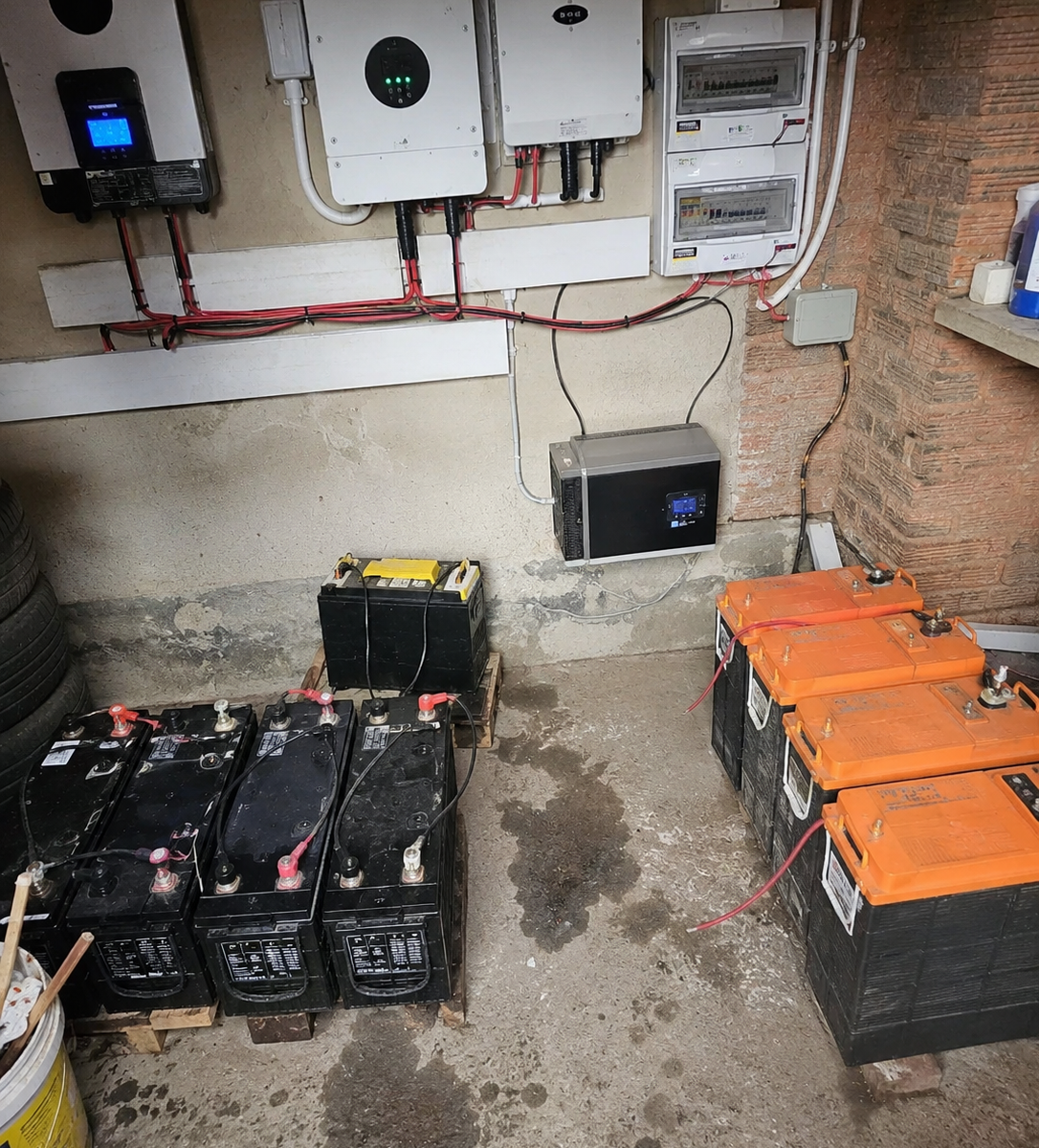
- Electrical fires
- Battery failures
- Electric shock hazards
- Property damage
- Inverter destruction
- Voided manufacturer warranties
Perhaps the biggest risk is accountability.
A reputable installer has a business reputation, insurance, qualifications, and legal obligations. A fly-by-night installer often disappears when problems arise, leaving the homeowner to pay for repairs and corrections.
What looked like a bargain can become the most expensive quote of all.
The Unseen Shield: Why a Certificate of Compliance (CoC) Is Non-Negotiable
Beyond Paperwork: The True Purpose of a CoC
A Certificate of Compliance is not merely a receipt.
It is a legal declaration that an electrical installation complies with the relevant requirements of SANS 10142-1, South Africa’s wiring code.
When a qualified professional issues a CoC, they are effectively stating:
“I have inspected this installation and certify that it complies with applicable safety standards.”
That responsibility carries legal consequences.
A valid CoC must generally be issued by a registered Installation Electrician or Master Installation Electrician with the appropriate authority to certify electrical work.
This is why a CoC has value.
The document itself is only a few sheets of paper. What matters is the professional liability and inspection process behind it.
When critics claim that CoCs are “just paperwork,” they are focusing on the paper and ignoring the certification.
The real product is not the document.
The real product is verified compliance.
Insurance, Safety, and Your Financial Protection
Many homeowners only discover the importance of a CoC after something goes wrong.
Imagine the following scenario:
A battery fault or wiring defect leads to a fire. The damage spreads through the roof structure and causes hundreds of thousands of rand in losses.
The insurer investigates.
One of the first questions may be:
Was the solar installation compliant and properly certified?
If the installation lacked a valid CoC or contained non-compliant electrical work, the homeowner could face serious complications during the claims process.
Even if the claim is partially approved, disputes and delays can be financially devastating.
The cost difference between a compliant installation and a questionable one often pales in comparison to the potential losses associated with:
- Fire damage
- Property repairs
- Legal disputes
- Reinstallation costs
- Lost warranties
- Insurance complications
This is why experienced installers place such emphasis on compliance.
A CoC is not primarily about satisfying bureaucracy.
It is about protecting lives, property, and financial security.
The Crucial Choice: Fixed Installations vs. Portable Solutions
One of the most misunderstood areas of solar compliance involves the distinction between fixed and portable systems.
When a CoC Is Absolutely Required (Fixed Systems)
As a general rule, if the system becomes part of your home’s fixed electrical installation, a CoC becomes essential.
Examples include:
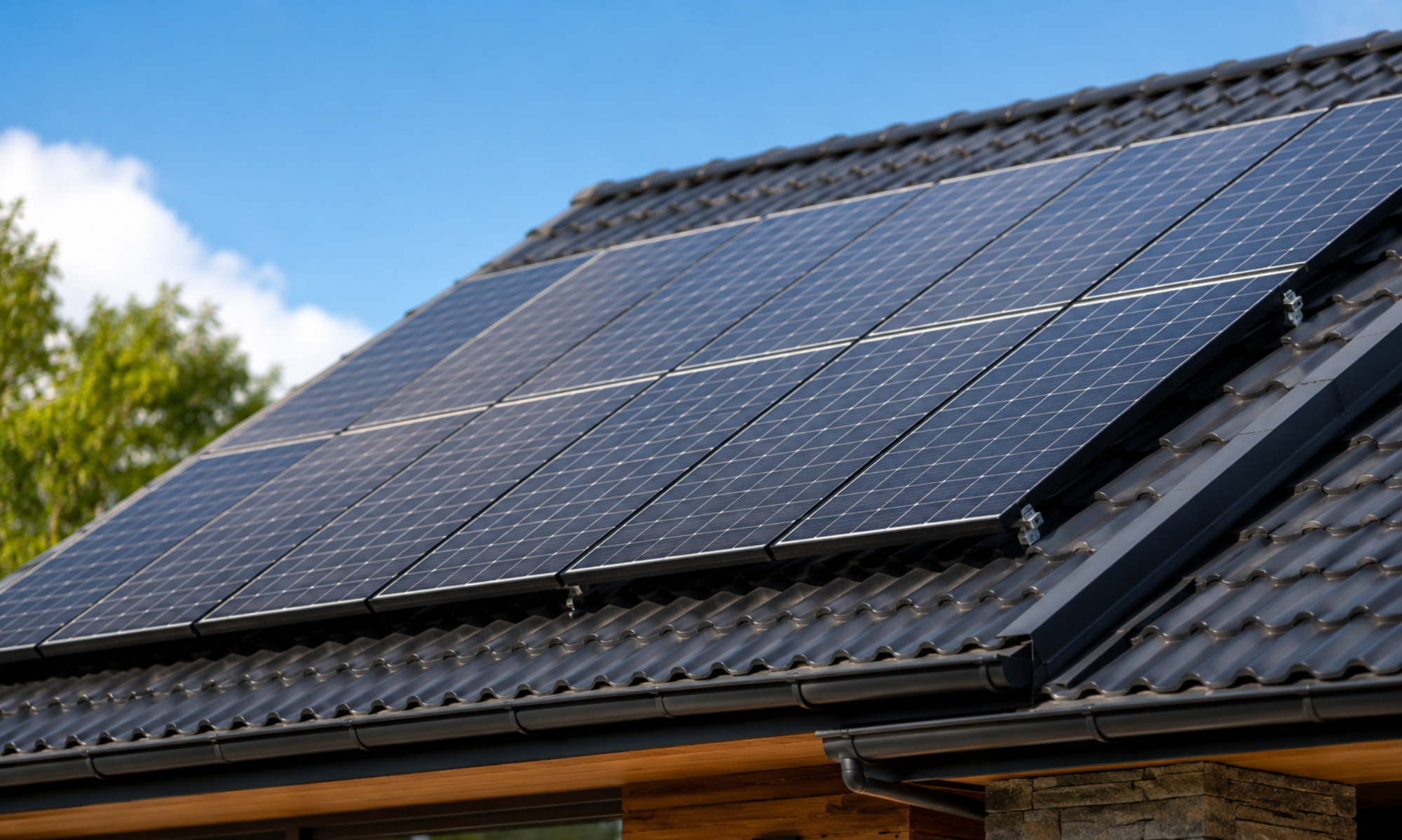
- Roof-mounted solar panels
- Hybrid inverter systems
- Grid-connected systems
- Wall-mounted battery installations
- Distribution-board integration
- Permanent backup power installations
Examples of systems that typically require professional installation and CoC-compliant integration include:
- Ecco 3.5 KVA 3500W MPPT 100A Svolt 106Ah Lithium Combo Kit
- 6.2KVA Ecco Pure Sine Wave Load Shedding Combo
- Ecco 5.5 KVA Pure Sine Wave Load Shedding Wall-Mount Combo
- 6.2KVA/6200W Ecco MPPT Solar Panel Combo
- Ecco 5.5KVA/5500W MPPT Solar Panel Combo
- 5KW Deye + Dyness Backup Power Kit
- 8KW Deye + Dyness Backup Power Combo
- 8KW Deye + Dual Dyness Battery Combo
These systems represent substantial investments capable of powering significant portions of a home.
Because they interact directly with household electrical infrastructure, professional installation is not optional—it is a critical part of the investment.
A common misconception is that a technically capable homeowner can simply perform the installation themselves and save money.
The reality is that DIY work does not eliminate the need for compliance.
If the system is permanently connected to the electrical installation, certification requirements remain.
Portable Power: When a CoC Might Not Be Needed (But Quality Still Matters)
Portable systems occupy a different category.
Examples include:
- Plug-and-play inverter trolleys
- Portable power stations
- Mobile battery backup units
A product such as the Ecco Pure Sine Wave Lithium Battery Loadshedding Budget Combo (2000W Hybrid Inverter with 100Ah Lithium Battery) may be used without integration into fixed household wiring.
In these cases, a CoC is generally not required because the unit functions similarly to an appliance rather than a permanent electrical installation.
However, this does not mean quality suddenly becomes irrelevant.
Poor-quality portable equipment can still suffer from:
- Battery failures
- Overheating
- Inverter faults
- Reduced lifespan
- Safety issues
The lesson remains the same:
Whether portable or fixed, buying quality equipment from reputable suppliers is usually cheaper in the long run than replacing unreliable products.
How to Spot a Reputable Solar Installer (and Avoid the Traps)
Key Questions to Ask Your Installer
Before signing any contract, ask:
- Will you provide a CoC upon completion?
- What electrical qualifications do you hold?
- Do you have a valid Wireman’s Licence?
- Are you registered to certify electrical work?
- Can you provide customer references?
- Do you carry liability insurance?
- Do you follow SANS 10142-1 requirements?
- Do you provide written warranties?
- Can you explain your protection and earthing strategy?
- Are you familiar with PV GreenCard standards and best practices?
A professional installer should welcome these questions.
In fact, the best installers often answer them before you ask.
The Red Flags: What to Watch Out For
Be cautious if you encounter:
- Quotes dramatically below market rates
- Cash-only payment requests
- No written contract
- No physical business address
- No online presence
- Refusal to provide references
- Pressure to make an immediate decision
- Statements such as “You don’t need a CoC”
- Vague answers about qualifications
- Promises that seem too good to be true
The solar industry has matured considerably in South Africa. Reputable installers understand compliance and have processes to support it.
Those who dismiss compliance entirely should raise immediate concerns.
Invest in Peace of Mind: Choosing CoC-Compliant Solar Solutions
A properly installed solar system offers far more than backup power.
It provides:
- Improved energy independence
- Protection from load shedding
- Long-term electricity savings
- Increased property value
- Better system reliability
- Greater safety
- Improved insurance protection
High-quality systems based on trusted inverter and battery combinations—such as Ecco, Deye, Dyness, and similar established products—deserve installation standards that match the quality of the equipment itself.
A premium inverter installed poorly becomes a liability.
A quality system installed correctly becomes an asset.
When evaluating quotes, remember that the cheapest option is not necessarily the lowest-cost option over the life of the system.
The real comparison is:
Cheap installation today versus reliable performance for the next decade or more.
Ready to Go Solar Safely? Your Next Steps
If you’re considering solar, start with three simple principles:
Best for Fixed Home Backup and Solar Expansion
Consider professionally installed hybrid systems such as:
- Ecco 5.5KVA MPPT Combos
- Ecco 6.2KVA MPPT Combos
- Deye + Dyness Backup Power Kits
- Larger 8KW Deye + Dyness configurations
These systems offer substantial capacity but should always be installed and certified correctly.
Best for Load Shedding Relief Without Fixed Installation
Portable solutions such as inverter trolleys and battery backup units can provide immediate relief while avoiding the complexity of permanent electrical integration.
Best Rule of All
Never choose an installer solely because they are the cheapest.
Instead, ask:
- Will the installation be safe?
- Will it comply with regulations?
- Will it qualify for certification?
- Will my insurer be satisfied?
- Will the installer still be around if something goes wrong?
A solar system should provide peace of mind, not uncertainty.
The Certificate of Compliance is not just paperwork. It is evidence that your investment has been installed to a standard designed to protect your family, your property, and your future.